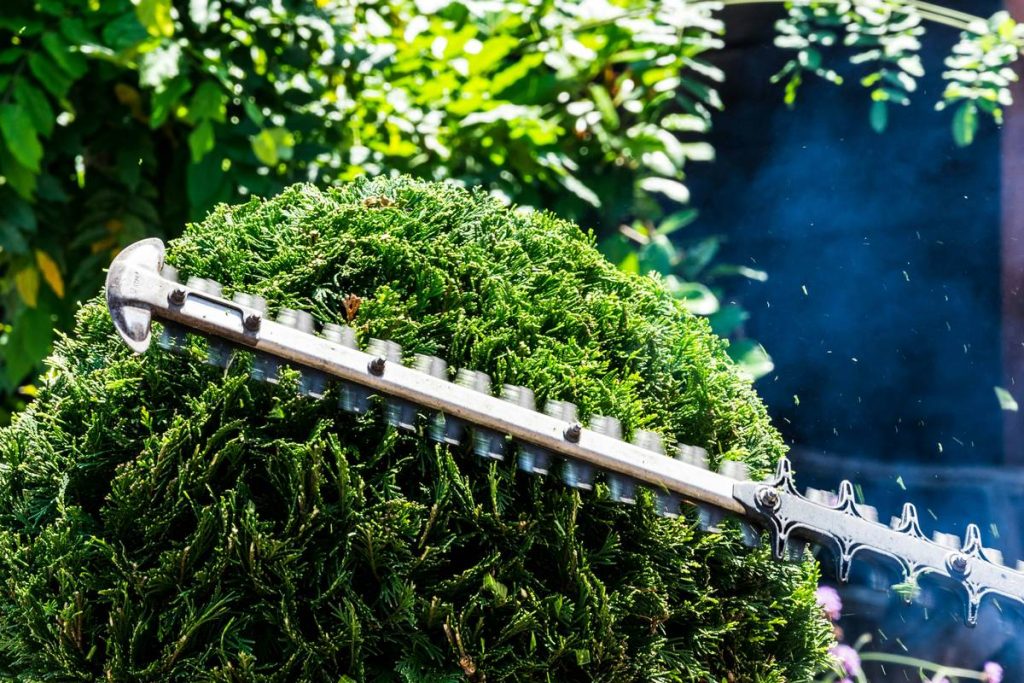
Your hedge trimmer sputters mid-cut. Blades drag like they’re chewing wet cardboard. You’ve topped off the oil—but was it enough? Too much? Most DIYers pour blindly, trusting vague labels or YouTube myths. The result? Gunked-up engines, seized pistons, wasted time. Here’s the truth: getting your hedge trimmer oil ratio right isn’t about intuition—it’s precision engineering disguised as routine maintenance.
Why “Just Add Oil” Is a Fast Track to Engine Failure
Manufacturers don’t all agree on ratios—and neither do gas station attendants, forum gurus, or that guy at the hardware store. Some swear by 40:1. Others insist 50:1 is modern gospel. But here’s what they won’t tell you: **oil viscosity changes with temperature**, and ethanol-blended gasoline eats cheap oil for breakfast.
Run too lean (not enough oil), and your piston scrapes metal-on-metal in seconds. Run too rich (too much oil), and carbon builds up like plaque in arteries—choking spark plugs, fouling exhaust ports, killing power. And no, “a little extra won’t hurt” is how warranty claims get denied.
Step-by-Step Guide to Mixing the Perfect Hedge Trimmer Oil Ratio
Forget guesswork. Follow this battle-tested process—used by commercial landscapers who run trimmers 8 hours a day, six days a week.
1. Check Your Owner’s Manual—Then Double-Check the Engine Stamp
The manual says 50:1? Good. Now look near the muffler or crankcase. Many Stihl, Echo, and Husqvarna units have the ratio stamped directly into the metal. Why? Because dealerships know users lose manuals. Trust the stamp over printed pages.
2. Use Fresh, Ethanol-Free Gasoline If Possible
Ethanol absorbs moisture and degrades oil film strength. If you’re stuck with E10, add a fuel stabilizer and never store mixed fuel longer than 30 days. Better yet—buy ethanol-free premium (90+ octane). Your engine will thank you with smoother starts and cleaner burns.
3. Measure Precisely—Not “Eyeball It”
Pouring oil straight from the bottle into a jerry can is how disasters happen. Use a dedicated mixing bottle with marked ratios or a graduated syringe. Accuracy matters more than you think.
| Oil Ratio | Gasoline (oz) | 2-Cycle Oil (oz) | Best For |
|---|---|---|---|
| 50:1 | 128 oz (1 gallon) | 2.6 oz | Modern trimmers (Echo, Stihl, Makita) — standard recommendation |
| 40:1 | 128 oz | 3.2 oz | Older models, high-heat conditions, or heavy-duty use |
| 32:1 | 128 oz | 4.0 oz | Breaking in a new engine (first 2 tanks only)—not for regular use |

4. Shake Like Your Job Depends On It
Mix for at least 30 seconds. Not 5. Not “until it looks cloudy.” Thirty full seconds of vigorous shaking ensures homogenization. Inconsistent mix = inconsistent lubrication = hot spots in the cylinder.

The Industry Secret: Synthetic Blend Oils Change the Game
Here’s what pro crews won’t share freely: switching to a **synthetic-ashless 2-cycle oil** lets you safely run leaner ratios without sacrificing protection. Brands like AMSOIL Saber Professional or Echo PowerBlend reduce carbon buildup by up to 70% compared to conventional oils.
Why does this matter? Because if you’re running a 50:1 ratio with synthetic oil, you get the same lubricity as 40:1 with mineral oil—but with cleaner combustion, easier cold starts, and less smoke. The math is simple: better oil = fewer maintenance headaches and longer tool life. And yes, it costs more upfront—but when your $300 trimmer lasts 5 years instead of 2, who’s really saving?
Frequently Asked Questions
What happens if I use the wrong hedge trimmer oil ratio?
Too little oil causes overheating and engine seizure. Too much creates excessive smoke, carbon deposits, and plug fouling—both lead to costly repairs.
Can I use motor oil instead of 2-cycle oil for my hedge trimmer?
Absolutely not. Motor oil isn’t designed to burn cleanly in air-cooled 2-stroke engines. It will clog your exhaust and damage internal components.
How often should I mix fresh fuel for my hedge trimmer?
Never store mixed fuel longer than 30 days. Ethanol degrades quickly, separating from oil and forming gums that clog carburetors.