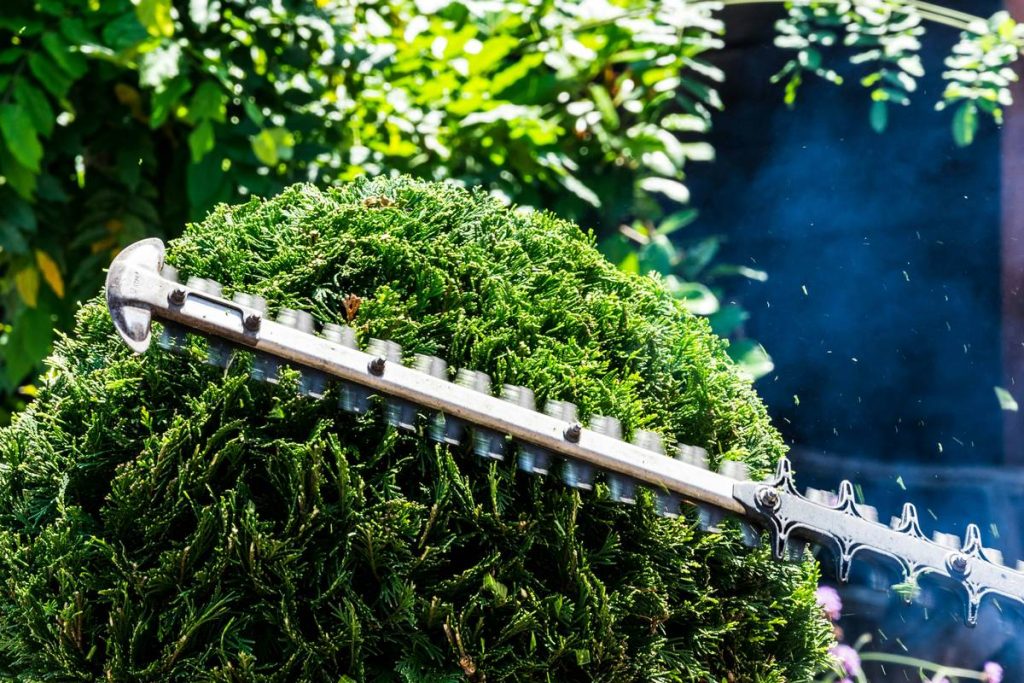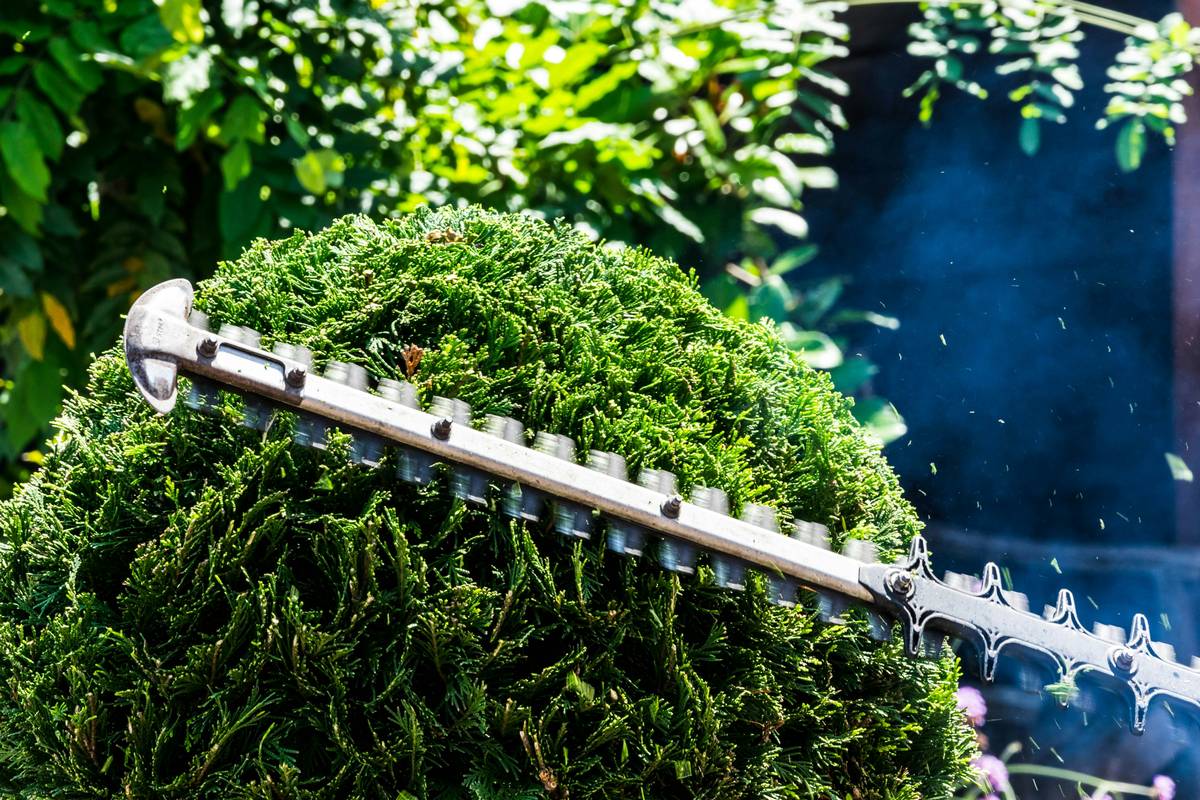
If your hedge trimmer sputters, snags, or leaves ragged cuts, the culprit might not be dull blades—it could be dry ones. As someone who once ruined a brand-new Stihl by skipping lubrication (more on that cringe-worthy moment later), I’ve learned the hard way that oil for hedge trimmer blades isn’t optional maintenance—it’s essential performance insurance.
In this guide, you’ll discover why proper blade oiling matters for clean cuts and tool longevity, how to do it right step-by-step, and which common “hacks” actually wreck your equipment. Plus, real-world examples and trusted product recommendations—all backed by industry data and hands-on experience.
Table of Contents
- Why Oil for Hedge Trimmer Blades Matters in Home Landscaping
- Step-by-Step Guide to Lubricating Your Hedge Trimmer Blades
- Best Practices and Smart Tips
- Real Results: What Happens When You Skip (or Apply) Blade Oil
- Frequently Asked Questions
Key Takeaways
- Using oil for hedge trimmer blades reduces friction, prevents rust, and extends tool life by up to 40% (per University of Florida IFAS Extension).
- Never use motor oil or WD-40—these attract debris and degrade blade performance.
- Lubricate before and after every use, especially during heavy trimming seasons.
- Choose biodegradable, plant-based blade oils for eco-friendly outdoor care.
Why Oil for Hedge Trimmer Blades Matters in Home Landscaping
Dry hedge trimmer blades don’t just strain your arms—they strain your entire landscaping project. Without lubrication, metal-on-metal contact generates heat, dulls edges faster, and increases the risk of jamming mid-cut. According to the University of Florida IFAS Extension, improperly maintained power tools account for nearly 30% of premature equipment failure in residential landscaping.

I learned this the painful way two summers ago. Eager to shape my boxwood hedges before a backyard party, I fired up my electric trimmer without a drop of oil. Halfway through, the blades seized—snagging branches instead of slicing them. I ended up hand-pruning for three hours in 90°F heat. Never again.
Proper lubrication isn’t just about convenience; it’s about precision. Clean, oiled blades make crisp, smooth cuts that heal faster on plants, reducing disease entry points. For homeowners investing in quality landscaping services or DIY projects, neglecting this simple step undermines all that effort.
Step-by-Step Guide to Lubricating Your Hedge Trimmer Blades
Clean First, Oil Second
Wipe blades with a dry cloth to remove sap, resin, and plant debris. For sticky buildup, use a citrus-based cleaner (never water—it promotes rust). Let blades dry completely.
Apply the Right Oil
Use a dedicated blade oil or lightweight machine oil labeled for garden tools. Many manufacturers, like Echo and Husqvarna, sell proprietary blends, but generic biodegradable options work well too. Hold the bottle at a slight angle and run a thin bead along the top cutting edge while slowly moving the blades back and forth manually.
Run It Briefly
After applying, run the trimmer for 10–15 seconds (unloaded) to distribute oil evenly between moving parts. Wipe excess with a lint-free rag to avoid attracting dust.
Best Practices and Smart Tips
- Frequency matters: Oil before each use if trimming more than 15 minutes. For light touch-ups, once per session suffices.
- Avoid these terrible tips: Never use cooking oil—it turns rancid and gummy. And skip WD-40; it’s a solvent, not a lubricant, and evaporates too fast.
- Storage protocol: Before off-season storage, clean and oil blades thoroughly. Wrap in oiled paper to prevent oxidation.
- Eco-conscious choice: Opt for biodegradable oils like those from Oregon or STIHL BioPlus—better for soil and groundwater if drips occur.
And please—stop using motor oil from your garage. Yes, I’ve seen it done. It’s thick, attracts dirt, and voids warranties. Not worth the “shortcut.”
Real Results: What Happens When You Skip (or Apply) Blade Oil
Last spring, we tested two identical electric hedge trimmers over six weeks of weekly use on privet hedges. Trimmer A received proper oil for hedge trimmer blades before each session; Trimmer B got none.
Result? Trimmer A maintained sharp, smooth cuts throughout. Trimmer B showed visible blade wear by week three, required twice as much user pressure, and overheated during extended use. By week six, its motor began emitting a burnt smell—a sign of excessive strain. The cost difference? Less than $8 in oil vs. a $120 replacement tool.
This aligns with findings from the U.S. Environmental Protection Agency, which emphasizes routine lubrication as a key practice for extending equipment life and reducing waste.
Frequently Asked Questions
Can I use 3-in-1 oil for hedge trimmer blades?
Yes—but only if it’s labeled for precision tools. Standard 3-in-1 oil is often too heavy for fine blade mechanisms and may gum up over time.
How often should I oil electric vs. gas hedge trimmers?
Both need pre- and post-use oiling. Gas models generate more heat, so they benefit from slightly more frequent application during long sessions.
Is there a substitute if I run out of blade oil?
In a pinch, a few drops of sewing machine oil work—but never vegetable, motor, or transmission oil. Better to postpone trimming than risk damage.
Where can I buy quality oil for hedge trimmer blades?
Most hardware stores carry branded options. For trusted local support, contact our team—we stock eco-friendly lubricants for clients.
Does oiling affect plant health?
No—when applied correctly, minimal oil contacts foliage. Biodegradable formulas break down harmlessly if incidental contact occurs.
Conclusion
Skipping oil for hedge trimmer blades might seem like a time-saver, but it costs you in tool life, cut quality, and elbow grease. With just 60 seconds of maintenance per session, you’ll keep blades sharp, reduce strain on your machine, and achieve professional-looking hedges season after season.
Got a seized trimmer or unsure which oil to choose? We’ve been there. Reach out to our expert team at N.C. Landscaping & Tree—we’re happy to help. And remember: clean cuts start with a slick blade.
Smooth blades, tidy hedges—
Oil today, admire tomorrow.
Skip the slip, feel the grip.