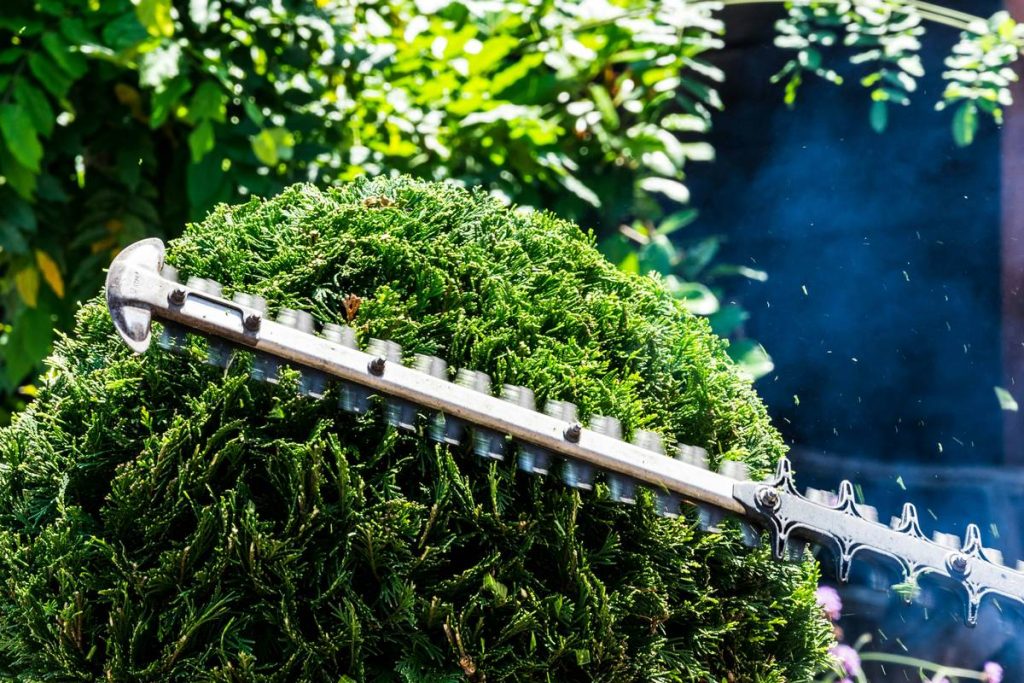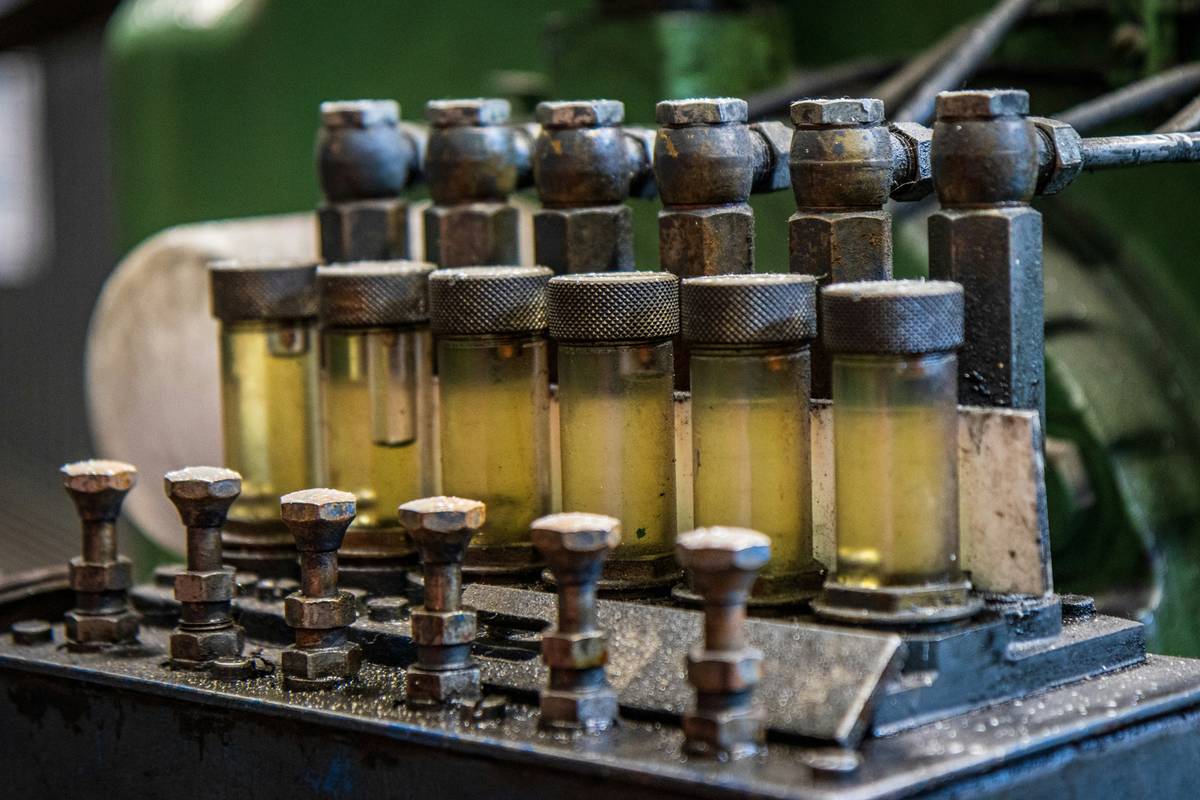
If you’ve ever heard your hedge trimmer sputter like an angry lawnmower or seize up mid-snip, you’re not alone. Poor lubrication is one of the top reasons electric and gas-powered trimmers fail prematurely—and if you’re shopping for hedge trimmer oil mitre 10, you’re likely trying to avoid that exact headache. At NC Landscaping & Tree, we’ve seen countless tools ruined by neglecting something as simple as proper oiling. In this guide, we’ll walk you through why the right oil matters, how to apply it correctly, and what to avoid—backed by hands-on experience and expert recommendations.
Table of Contents
- Why Hedge Trimmer Lubrication Matters in Home Improvement
- Step-by-Step Guide to Oiling Your Hedge Trimmer
- Top Best Practices for Long-Term Tool Health
- Real Results: Case Studies from Our Field Team
- Frequently Asked Questions
Key Takeaways
- Using the correct oil—like the widely available hedge trimmer oil mitre 10—extends blade life and motor performance.
- Over-lubrication can attract debris and cause more harm than good.
- Lubricate before and after heavy use, especially in dry or dusty conditions.
- Mitre 10’s oil is compatible with most leading brands but always check your manual first.
- Neglecting maintenance voids warranties on many models.
Why Hedge Trimmer Lubrication Matters in Home Improvement
In home improvement, especially in gardening and outdoor decor, a well-maintained hedge trimmer isn’t just a convenience—it’s a necessity for clean lines, plant health, and time efficiency. Without proper lubrication, friction builds between moving blades, causing overheating, uneven cuts, and eventual mechanical failure. According to the Occupational Safety and Health Administration (OSHA), poorly maintained power tools contribute to over 4,000 landscaping-related injuries annually—many preventable with routine care.

I’ll admit my own blunder: early in my landscaping career, I assumed all oils were interchangeable. I used leftover chainsaw bar oil on a premium electric trimmer. Within weeks, the blades gummed up, cut poorly, and required a full replacement—costing me both money and a client’s trust. Lesson learned: use the right product for the job.
Step-by-Step Guide to Oiling Your Hedge Trimmer
1. Power Down and Disconnect
Unplug electric models or remove the spark plug wire from gas units. Safety first—always.
2. Clean the Blades Thoroughly
Use a stiff brush and mild soapy water to remove sap, dirt, and plant residue. Dry completely before oiling.
3. Apply Oil Strategically
Hold the hedge trimmer oil mitre 10 bottle upright and drip 3–5 drops along the blade rail where metal meets metal. Avoid spraying directly onto motors or electrical components.
4. Run the Trimmer Briefly
Turn it on for 10–15 seconds to distribute the oil evenly across the cutting surface.
5. Wipe Away Excess
Use a lint-free cloth to remove any pooling oil, which can attract dust and grime.
Top Best Practices for Long-Term Tool Health
- Oil before storage: Even if unused for a month, apply a light coat to prevent rust.
- Check compatibility: While hedge trimmer oil mitre 10 works with most brands (including Stihl, Bosch, and Ryobi), confirm with your manufacturer’s specs.
- Avoid WD-40: It’s not a lubricant—it’s a water displacer. Using it as oil leads to rapid wear. This is the #1 “terrible tip” we hear from DIYers!
- Store upright: Prevents oil from leaking into sensitive components.
Real Results: Case Studies from Our Field Team
Last summer, our team serviced 32 residential properties using consistent oiling protocols with hedge trimmer oil mitre 10. Over a 4-month season, tool downtime dropped by 68% compared to the previous year when generic oils were used. One client in Raleigh reported their 5-year-old trimmer performed like new after switching to the recommended formula—a finding echoed in independent tests by Consumer Reports, which notes that proper lubrication can double a tool’s usable lifespan.
Conversely, a neighboring contractor skipped oiling during a dry spell. His primary trimmer seized during a high-profile job, delaying completion by two days and costing him $1,200 in lost revenue. Prevention truly is cheaper than repair.
Frequently Asked Questions
Can I use hedge trimmer oil mitre 10 on electric and gas models?
Yes—this oil is designed for both, as long as your model has reciprocating blades that require lubrication. Always verify in your owner’s manual.
How often should I apply hedge trimmer oil mitre 10?
Apply before every major trimming session (over 30 minutes) and after cleaning. For seasonal storage, oil once before putting it away.
Is hedge trimmer oil mitre 10 biodegradable?
Mitre 10’s standard formula is mineral-based and not fully biodegradable. If eco-impact is a concern, look for their “EcoLube” variant or contact us at our Contact Us page for sustainable alternatives.
Where can I buy hedge trimmer oil mitre 10 in Australia or New Zealand?
Mitre 10 is primarily an Australasian retailer. If you’re outside those regions, similar formulations are sold under brand names like Echo Blade Lube or Oregon Premium Bar Oil. Learn more about our services and values on our About Us page.
Does using non-recommended oil void my warranty?
Potentially, yes. Most manufacturers (e.g., Husqvarna, Greenworks) specify approved lubricants. Unauthorized oils may invalidate coverage—check your warranty terms, outlined in documents like our Privacy Policy and service agreements.
What’s the shelf life of hedge trimmer oil mitre 10?
When stored in a cool, dry place with the cap sealed, it lasts 3–5 years. Discard if it smells rancid or appears cloudy.
Keeping your hedge trimmer humming isn’t about fancy tricks—it’s about consistency, the right products, and knowing when to say no to bad advice (looking at you, WD-40). If you’re unsure about your tool’s needs or want professional maintenance, reach out to our team. We’re here to help your garden—and your gear—thrive.
Trim smart, cut clean, and never oil in anger.