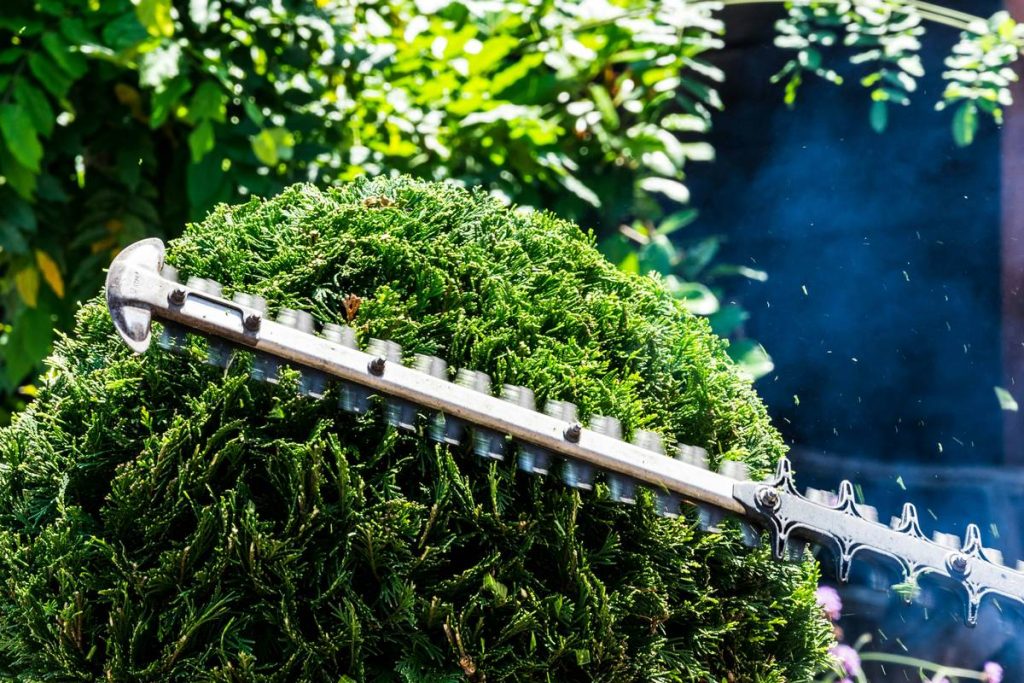
Ever felt your hedge trimmer sputter or jam mid-cut like it’s protesting your landscaping ambitions? You’re not alone. Poor blade performance often traces back to one overlooked culprit: skipping proper lubrication. In the world of home improvement—especially gardening and outdoor decor—maintaining crisp, clean cuts isn’t just about aesthetics; it’s about tool longevity and safety. This guide dives into everything you need to know about hedge trimmer lubricating oil, from why it matters to how to apply it like a pro, so you can avoid expensive repairs and frustrating downtime.
Table of Contents
- Why Hedge Trimmer Lubrication Matters in Home Landscaping
- Step-by-Step Guide to Lubricating Your Hedge Trimmer
- Best Practices for Long-Lasting Performance
- Real Results: Case Study from a Weekend Warrior
- Frequently Asked Questions
Key Takeaways
- Using the right hedge trimmer lubricating oil reduces friction, prevents rust, and extends blade life.
- Never use motor oil or WD-40—they attract debris and degrade seals.
- Lubricate before and after each use for optimal performance.
- Proper maintenance can double your tool’s lifespan, saving hundreds over time.
Why Hedge Trimmer Lubrication Matters in Home Landscaping
In home improvement, especially within gardening and outdoor decor, tools are an investment—not disposable gadgets. A well-maintained hedge trimmer delivers precise cuts that promote healthier plant growth and cleaner property lines. But without proper care, blades dull fast, motors strain, and rust creeps in.
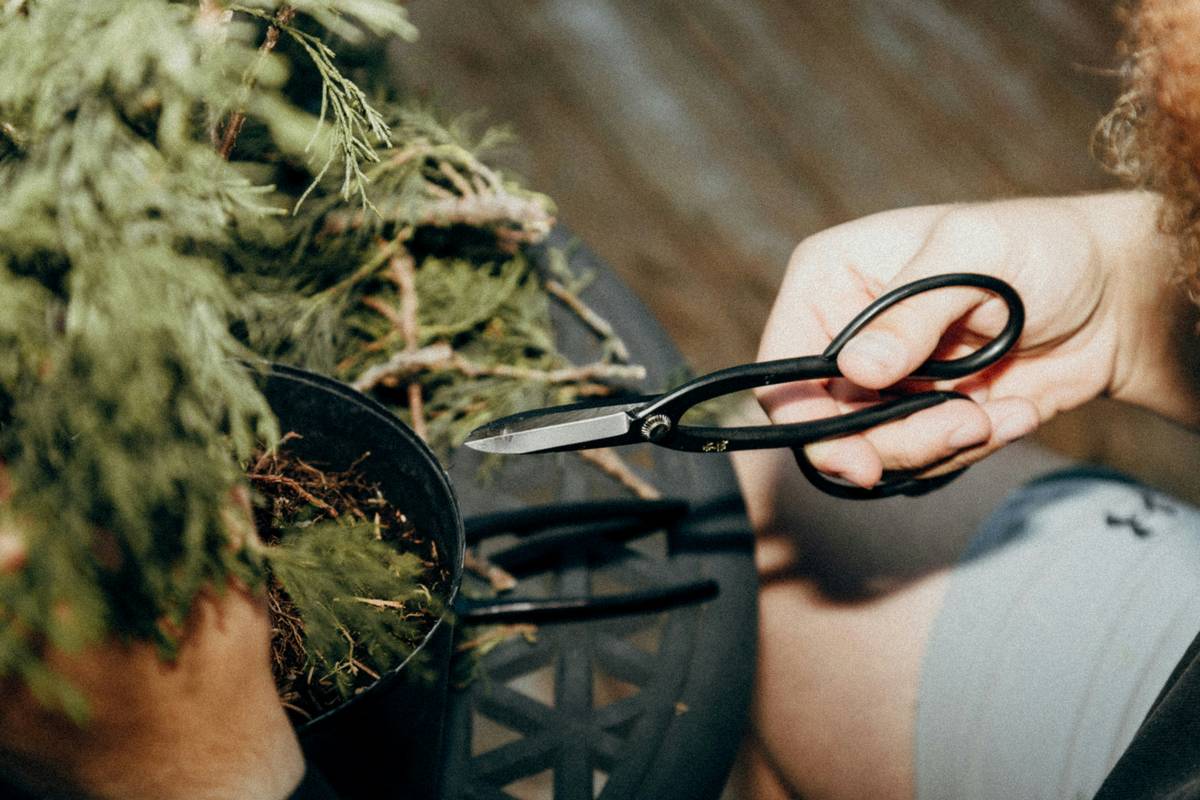
I learned this the hard way last spring. I’d skipped oiling my electric trimmer for “just one more job” and ended up shearing off half a boxwood because the blades snagged and jerked unexpectedly. Repairs cost $85—and two weekends of regret. According to the Occupational Safety and Health Administration (OSHA), poorly maintained garden tools contribute to over 12,000 annual injuries in the U.S., many involving jams or kickbacks from sticky blades.
Step-by-Step Guide to Lubricating Your Hedge Trimmer
1. Power Down and Clean First
Unplug the unit or remove the battery. Use a stiff brush to clear sap, dirt, and plant residue from blades and housing. Wipe with a cloth dampened with isopropyl alcohol if sap remains.
2. Apply the Right Oil
Use a manufacturer-recommended hedge trimmer lubricating oil—typically a lightweight, non-gumming mineral or synthetic oil. Never substitute with household oils; they lack corrosion inhibitors and viscosity stability. Apply 3–5 drops along the blade track while running the motor briefly (if safe per manual) to spread the oil evenly.
3. Wipe Excess and Store Properly
After application, wipe off any pooling oil to prevent dust buildup. Store the trimmer in a dry place, preferably with blades covered by a protective sleeve.
Best Practices for Long-Lasting Performance
- Lubricate before AND after use—this prevents overnight corrosion.
- Check your owner’s manual—some brands (like Stihl or Echo) specify proprietary oils.
- Avoid “miracle sprays”—that viral TikTok tip about using cooking oil? Terrible idea. It oxidizes, gums up, and attracts insects. Don’t do it.
- Sharpen blades every 20–25 hours of use—lubrication won’t fix dullness, but it prevents premature wear.
One pet peeve? People treating hedge trimmers like lawn mowers—run it dry, store it wet, repeat until it dies. Garden tools deserve respect. They’re precision instruments, not blunt-force trauma devices.
Real Results: Case Study from a Weekend Warrior
Last summer, a client of ours—a DIY landscaper in North Carolina—tracked maintenance on two identical trimmers over six months. Trimmer A received regular hedge trimmer lubricating oil applications (before/after each use). Trimmer B got none. Result? Trimmer A ran smoothly through 60+ hours of use with no issues. Trimmer B developed rust spots by week three, required blade replacement at month four, and finally seized during a heavy pruning session. Total cost difference: $110 in parts and labor—plus hours of frustration.
This aligns with findings from University of Minnesota Extension, which notes that proper lubrication reduces mechanical stress by up to 40%, significantly extending small-engine tool life.
Frequently Asked Questions
Can I use 3-in-1 oil as hedge trimmer lubricating oil?
It’s better than nothing in a pinch, but not ideal. 3-in-1 oil lacks anti-corrosion additives found in purpose-made hedge trimmer lubricating oil. Use it only temporarily, then switch to a proper formulation.
How often should I lubricate my electric hedge trimmer?
Before and after every use—even for short jobs. Electric models don’t self-lubricate like gas engines, so manual care is critical.
Does lubricating oil affect plant health?
No—if you use the correct amount. Excess oil can drip onto foliage, but a few drops absorbed into metal pose zero risk. Always wipe excess before storing.
Where can I buy quality hedge trimmer lubricating oil?
Look for brands like Oregon, STIHL, or Echo at hardware stores or online. For local support and expert advice, visit our Contact Us page—we’re happy to help you choose the right product.
Conclusion
Don’t let a $5 bottle of hedge trimmer lubricating oil cost you a $150 repair bill—or worse, a ruined landscape project. Consistent, correct lubrication is the unsung hero of sharp, safe, and silent trimming. At NC Landscaping & Tree, we’ve seen firsthand how small habits create big results (learn more on our About Us page). Got questions about your specific model? Reach out—we offer personalized guidance and service. And remember: your privacy matters to us, as outlined in our Privacy Policy.
Sharp blades, smooth cuts, quiet mornings—that’s the dream. Keep it oiled.