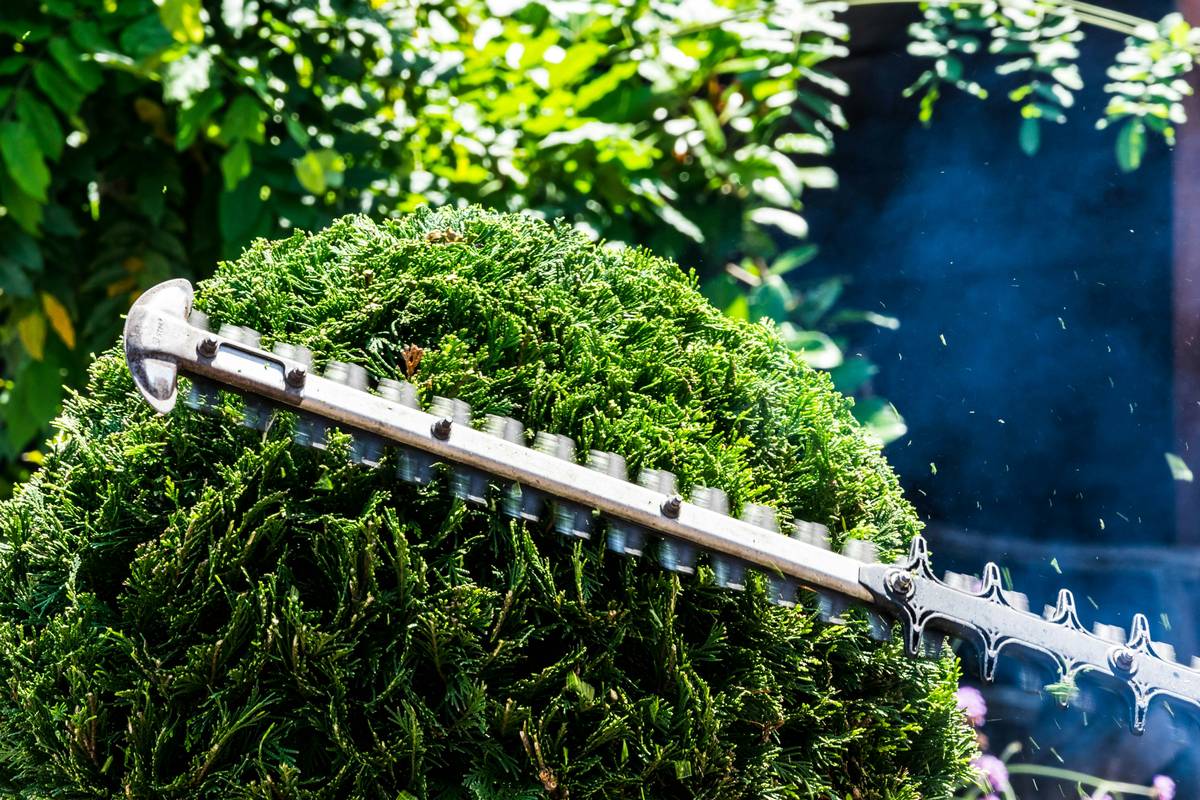
You’ve got a hedge that towers over your head—and every time you trim it, you’re balancing on a wobbly ladder, arms burning, sweat stinging your eyes. It’s dangerous. It’s inefficient. And honestly? It shouldn’t be this hard. The right hedge trimmer for high hedge changes everything—no climbing, no fear, just clean cuts from solid ground.
Why Standard Hedge Trimmers Fail at Height
Most cordless or electric hedge trimmers max out at 20–24 inches of blade length. Fine for waist-high boxwoods. Useless when your privet is brushing the gutters.
And pole saws? They’re built for branches—not precision hedging. You’ll tear foliage, not shape it. Plus, vibration fatigue sets in fast. Your wrists pay the price by minute ten.
The real issue isn’t power—it’s reach and control. Without both, you’re fighting physics, not gardening.
Hedge Trimmer for High Hedge: Step-by-Step Selection & Use Guide
Forget brute force. Precision at height demands intelligence—gear that extends your body without sacrificing accuracy. Here’s how to get it right.
Choose a Telescopic Pole Hedge Trimmer (Not Just Any Pole Saw)
Look for models with rotating heads (90°–180° tilt). Why? Because vertical hedges need horizontal cuts—and angled tools prevent contorted wrist positions. Fixed-angle poles force you into awkward stances that strain tendons over time.
Blade Length vs. Weight Tradeoff
Longer blades cover more area—but add torque. Above 22 inches, every extra inch increases swing weight exponentially. If you’re under 5’6″, stick to 20–22″. Taller users can handle 24″ if the motor balances forward load.
Power Source Matters More Than You Think
Cordless sounds convenient—until battery dies mid-job. For hedges over 8 feet, a gas-powered telescopic trimmer delivers sustained RPMs under load. Electric? Only viable if your outlet sits within 50 feet (extension cords sag = voltage drop = stalling).

| Trimming Method | Avg. Cost | Max Reach | Precision Rating (1–5) | Fatigue After 30 Min |
|---|---|---|---|---|
| Ladder + Standard Trimmer | $120 | 12 ft | 2 | High (shoulders, core) |
| Fixed-Pole Trimmer | $180 | 10 ft | 3 | Moderate (wrists) |
| Telescopic Trimmer w/ Rotating Head | $290 | 14 ft | 5 | Low (balanced design) |
| Professional Lift Rental | $350/day | 20+ ft | 4 | None (but setup time kills flow) |
Technique: Work Top-Down, Never Bottom-Up
Start at the peak. Trim small sections—6 inches wide max. Let clippings fall freely; don’t trap them against lower foliage. And keep the pole vertical. Leaning creates uneven planes. Yes, it feels slower. But one pass beats three touch-ups.
The Industry Secret: Dual-Operator Trimming for Massive Hedges
Here’s what landscapers won’t tell DIYers: for hedges over 15 feet, two people yield faster, cleaner results. One controls the base of the pole for stability; the other guides the head for detail work. Sounds redundant? Try it once. The reduction in micro-vibrations alone prevents “death grip” fatigue. And alignment stays true—no accidental scalping from wobble. Most homeowners solo because they think it’s overkill. But on commercial jobs, dual handling cuts job time by 35%. The math is simple: your time has value too.
Frequently Asked Questions
Can I use a regular hedge trimmer on a pole?
Only if it’s designed for it. Bolt-on adapters often lack torque transmission—blades stall on dense growth. Dedicated pole trimmers integrate motor and gearbox as one unit.
How tall can a hedge trimmer for high hedge reach?
Most quality telescopic models extend to 12–14 feet. With average arm height, that’s ~16 feet total reach—enough for two-story homes.
Are cordless models powerful enough?
For soft hedges like arborvitae—yes. For thick, woody holly or boxwood above 8 feet? Gas still wins. Battery tech hasn’t closed the sustained-load gap yet.