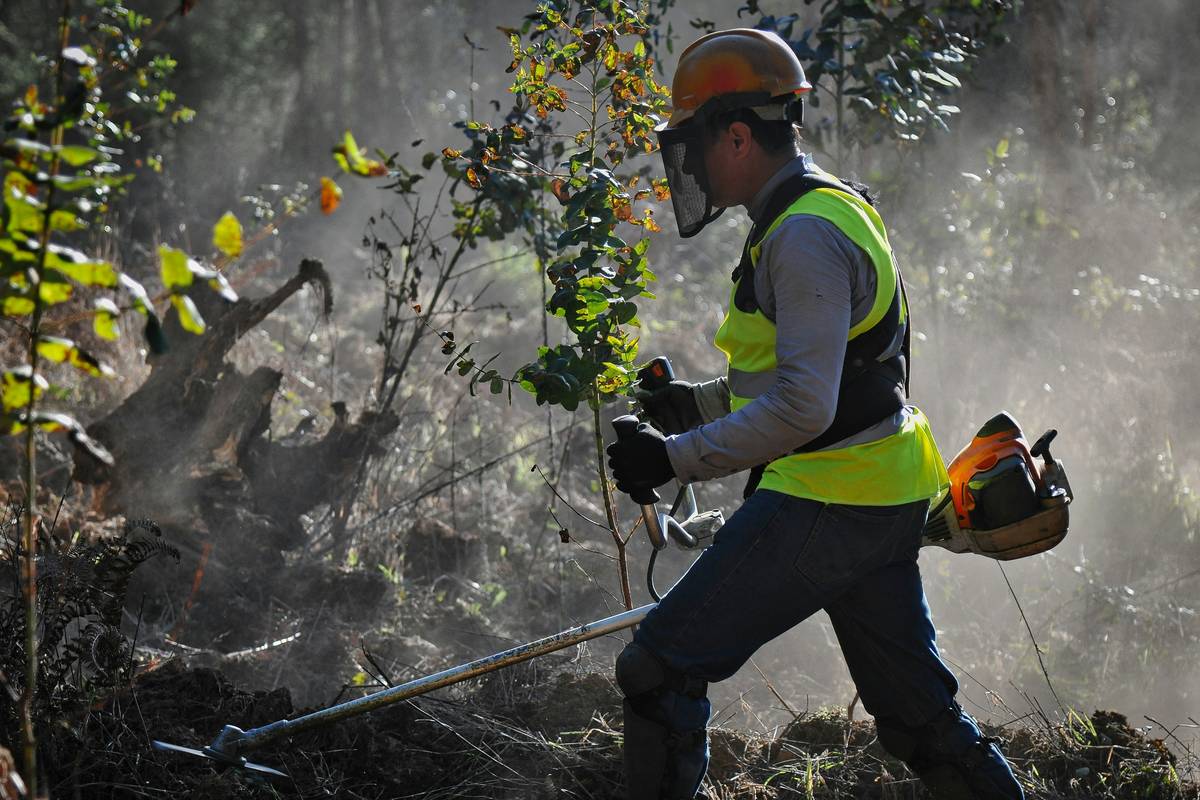
Your hedges look tired. Ragged. Like they gave up weeks ago. You’ve wrestled with electric cords, cursed battery life, and watched neighbors breeze through thick privet while you’re still untangling an extension reel. Here’s the truth: if you’re serious about clean lines and heavy-duty shaping—without compromise—a gas hedge trimmer isn’t just an option. It’s your edge.
The Corded Lie: Why Electric Tools Fail on Real Property
Manufacturers love to push “eco-friendly” corded or battery models. Great—if your yard fits inside a 20×20 foot postage stamp. But real-world landscaping? Think mature boxwood hedges over six feet tall. Or dense yew barriers that laugh at 18V motors.
Electric trimmers stall. Batteries die mid-row. Cords snag on branches—then yank your balance sideways. And torque? Forget it. You’re not trimming. You’re begging.
Here’s the reality: power matters. Not marketing specs. Actual, sustained cutting force through green wood—and the stamina to finish the job.
How to Choose & Master Your Gas Hedge Trimmer (Without Wasting $500)
Picking right is half the battle. Using it well? That’s where amateurs lose limbs—or hedges.
Blade Length Isn’t Just About Reach—It’s About Control
A 24-inch blade sounds powerful. On paper. In practice? It’s unwieldy for tight angles and fatigues your arms fast. For most residential jobs, 18–22 inches is the sweet spot: enough sweep for efficiency, light enough for precision.
Mix Ratio Myths: Why 50:1 Isn’t Always Best
Every manual says “use 50:1 fuel mix.” But run your machine in 90°F heat on thick laurel? Try 40:1. Slightly richer mix = cooler combustion = longer engine life under load. Dealers won’t tell you this—it voids warranty claims they’d rather handle than educate.
Vibration Dampening: The Hidden Fatigue Killer
Cheap gas trimmers transmit every buzz straight to your wrists. After 20 minutes, your grip fades. Look for dual-spring anti-vibe systems—often labeled “AV” or “SoftGrip.” Worth every extra dollar.

| Trimmer Type | Avg. Runtime | Max Blade Thickness (inches) | Ideal For | Annual Fuel/Maintenance Cost |
|---|---|---|---|---|
| Corded Electric | Unlimited (with outlet) | 0.6 | Small topiaries, light touch-ups | $5–$10 |
| Battery-Powered | 20–45 mins | 0.75 | Urban yards, quick maintenance | $30–$80 (battery replacement) |
| Gas Hedge Trimmer | 60–90+ mins | 1.0+ | Dense hedges, large properties, professional results | $25–$50 |

The Industry Secret: Bar Oil Is Non-Negotiable—Even on Gas Models
Most homeowners skip bar oil on gas hedge trimmers. Big mistake. Unlike chainsaws, these tools don’t come with automatic oilers—but their blades still generate friction hot enough to warp steel over time.
Here’s what pro landscapers do: after every refill of fuel mix, apply 3–4 drops of lightweight bar oil along the blade rail. Wipe excess. Result? Smoother cuts, less gumming from sap, and blades that stay sharp twice as long. It costs pennies. Saves hundreds in premature replacements.
Think about it—why would you protect a $400 engine but ignore the $80 cutting surface doing all the work?
Frequently Asked Questions
Are gas hedge trimmers hard to start?
Modern recoil starters with compression release need only 1–2 firm pulls. Warm engines often fire on the first tug. Avoid old models without primer bulbs.
How often should I sharpen the blades?
Every 20–25 hours of use—or immediately if cuts leave ragged, brown edges instead of clean slices. Dull blades stress the engine and damage plants.
Can I use regular gasoline?
No. Use fresh, ethanol-free gasoline mixed with 2-cycle oil at the ratio specified in your manual. Ethanol degrades seals and causes hard starting.