You’ve got that monster Leylandii hedge—12 feet tall, thick as a wall. Your standard electric hedge trimmer barely grazes the top. So you drag out the ladder. Again. One misstep, and it’s a trip to the ER. And your arms? Burned out by the third pass. Here’s the fix: an extending hedge trimmer electric model designed for ground-level control. No climbing. No fatigue. Just clean, precise cuts from solid footing.
Why Standard Hedge Trimmers Fail on Tall Hedges
Most homeowners grab their trusty corded or battery trimmer and assume brute force will win. It won’t. These tools max out at 3–4 feet of reach. Beyond that, you’re leaning precariously off a step stool or balancing on a wobbly ladder. Safety hazard? Absolutely. Efficiency killer? Without question.
And vibration fatigue sets in fast. Your wrists ache after five minutes. Accuracy plummets. You end up with a lopsided mess that invites disease and pests. Worse—electric models without extension poles force you into awkward angles, straining your back and shoulders. The result? A half-finished job and resentment toward yard work.
How to Use an Extending Hedge Trimmer Electric Like a Pro
Mastering this tool isn’t just about flipping a switch. It’s about technique, timing, and setup. Follow this sequence—and skip the rookie mistakes most landscaping newbies make.
Choose the Right Extension Length and Power Source
Not all “extending” trimmers are equal. Some offer telescoping poles up to 8 feet; others stop at 5. Match the reach to your tallest hedges—but don’t overbuy. Every extra foot adds weight and reduces maneuverability. And here’s the kicker: corded electric models deliver consistent torque for dense growth, while high-voltage (60V+) battery versions offer freedom but may stall on thick branches.

Prep Your Work Area Like a Commercial Crew
Clear debris. Mark drop zones. Wear gloves and eye protection—flying twigs sting. And never operate in wet conditions. Moisture + electricity = disaster. Also, inspect the pole lock mechanism before each use. A slipping joint mid-cut could mean catastrophic loss of control.
Cut in Overlapping Sweeps—Not Random Chops
Start at the top corner. Work downward in 12-inch overlapping passes. Keep the blade parallel to the hedge face. Let the tool do the work—don’t force it. If the motor whines or slows, you’re pushing too hard. Back off. Reassess. Patience beats power every time.
| Method | Time Required (for 20-ft hedge) | Safety Risk | Finish Quality |
|---|---|---|---|
| Ladder + Standard Trimmer | 45–60 mins | High (fall risk, instability) | Poor (inconsistent angles) |
| Manual Pole Saw | 75+ mins | Medium (strain, slow progress) | Rough (jagged edges) |
| extending hedge trimmer electric | 25–35 mins | Low (ground-based operation) | Premium (smooth, even planes) |
The Industry Secret: Blade Angle Beats Raw Power
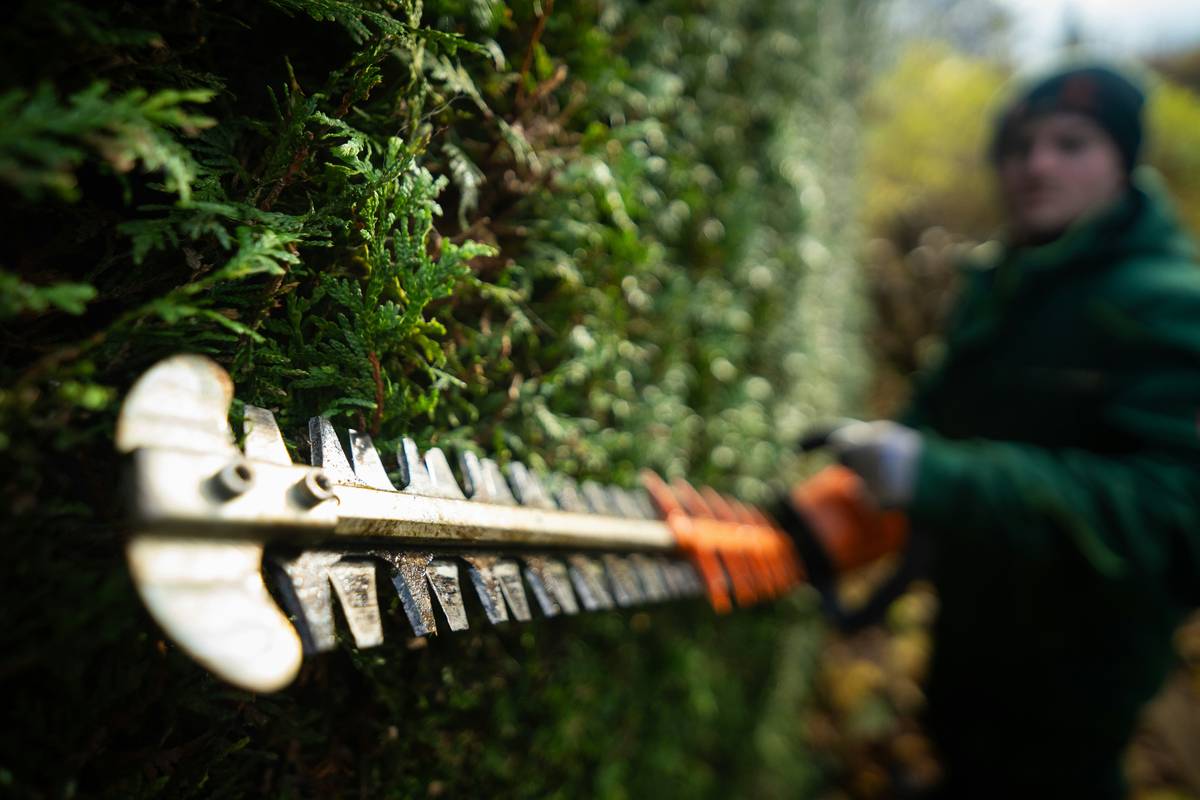
Here’s what big landscaping firms won’t advertise: a 45-degree blade tilt cuts cleaner than a flat one—especially on conifers like thuja or yew. Why? Because angled blades shear through layered foliage without crushing stems. Most DIYers run their trimmer straight-on, creating bruised, brown-tipped regrowth. Tilt the head slightly upward as you sweep downward. It takes practice—but the regrowth comes in lush and green, not scorched.
And another truth? Oil your extension pole’s pivot joints monthly—not just the blade. Salt air, pollen, and sap gum up mechanisms fast. A stiff pole means shaky control. Ten seconds of lubrication prevents $200 in premature wear.
Frequently Asked Questions
Can I use an extending hedge trimmer electric on thick branches?
Only if they’re under ¾ inch. For thicker limbs, pre-cut with loppers. Forcing the trimmer risks motor burnout.
How far can these poles actually extend?
Most quality models reach 6–8 feet total—including the tool head. Always check max extended weight capacity too.
Are cordless extending trimmers as powerful as corded ones?
Not yet. For hedges over 8 feet or very dense types, corded electric delivers unmatched, uninterrupted torque.