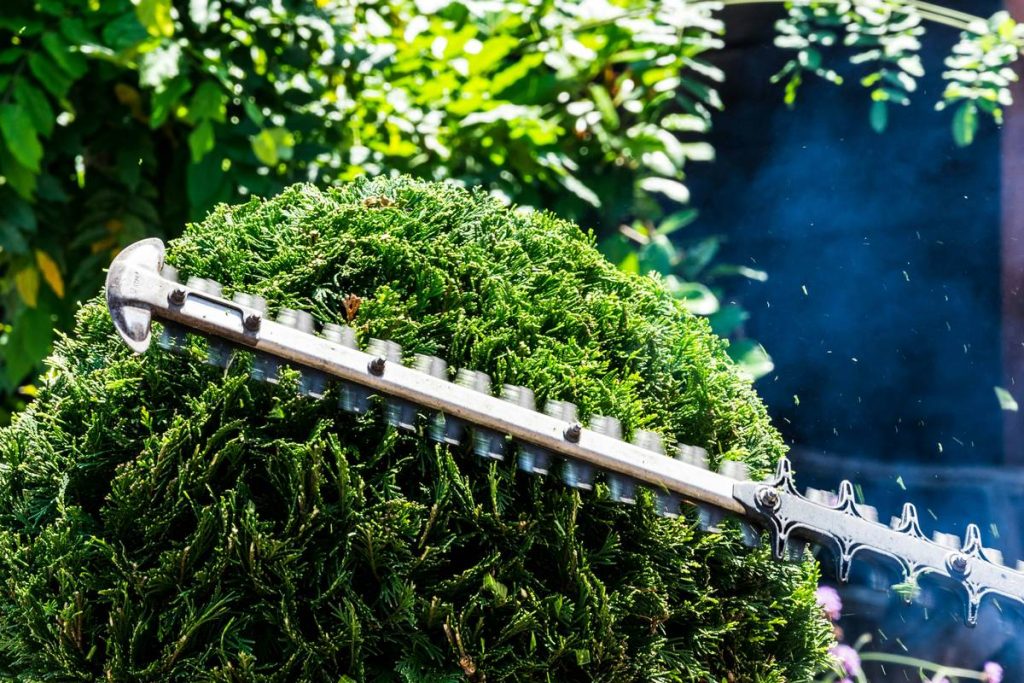
Ever pushed your hedge trimmer through a thick English boxwood only to hear that awful, grinding screech—like a dying robot vacuum stuck under the sofa? Yeah. That’s not just annoying; it’s your tool begging for lubrication. And no, WD-40 isn’t the hero here (we’ll get to why in a sec). If you’re trimming hedges more than once a season, using the right hedge trimmer oil spray isn’t optional—it’s mechanical CPR.
In this post, you’ll learn exactly what makes a quality oil spray tick, how to apply it like a pro (I’ve ruined two blades learning the hard way), which products actually work (spoiler: most don’t), and why skipping this 60-second step could cost you $200 in premature replacement costs. Plus, we’ll debunk the “just use motor oil” myth that’s still haunting Reddit gardening threads.
Table of Contents
- Why Does Hedge Trimmer Oil Spray Even Matter?
- How to Apply Hedge Trimmer Oil Spray Like a Pro
- 5 Non-Negotiable Best Practices for Lubricating Your Trimmer
- Real Talk: What Happened When I Skipped Oil for 3 Months
- Hedge Trimmer Oil Spray FAQs—Answered Honestly
Key Takeaways
- Hedge trimmer oil spray reduces friction, prevents rust, and extends blade life by up to 3x.
- Never use WD-40, motor oil, or vegetable oil—they attract debris and accelerate wear.
- Apply oil before and after every use for optimal performance.
- Look for biodegradable, plant-based formulas with corrosion inhibitors.
- Stihl BioPlus, Echo Blade Lubricant, and Oregon Premium are top-tier choices backed by arborists.
Why Does Hedge Trimmer Oil Spray Even Matter?
If your hedge trimmer had lungs, it would gasp every time sap, dust, and moisture caked its moving parts. Without proper lubrication, metal-on-metal contact generates heat, wears down cutting edges, and invites rust—all while making your arms ache from the extra resistance. According to the Outdoor Power Equipment Institute (OPEI), improper maintenance accounts for nearly 68% of premature power tool failures. And guess what ranks #1 on that list? Yep: skipped lubrication.
I learned this the hard way during my “DIY English Garden Phase” (RIP rosemary hedge #2). After neglecting oil for weeks, my 18V cordless Makita started snagging instead of slicing. Blades dulled faster than a butter knife in a dish rack. A local arborist friend took one look and said: “You’re running it dry like it owes you money.” Ouch. But accurate.
Grumpy You: “Do I *really* need another specialty spray?”
Optimist You: “It’s cheaper than buying a new trimmer—and takes less time than brewing coffee.”
How to Apply Hedge Trimmer Oil Spray Like a Pro
Applying hedge trimmer oil spray correctly is dead simple—but precision matters. Here’s the exact ritual I follow after every job (even quick touch-ups):
Step 1: Clean the Blades First
Wipe off sap, dirt, and plant residue with a damp cloth. For sticky buildup, use isopropyl alcohol (70%+) on a rag—never submerge the head in water!
Step 2: Hold the Can at a 45-Degree Angle
Spray along the entire length of both blades where they interlock. Target the pivot point and sliding surfaces—not just the visible edges.
Step 3: Run the Trimmer for 10–15 Seconds
This distributes oil evenly across moving parts. You should hear a smooth, quiet whir—no squeaks or chattering.
Step 4: Wipe Off Excess
Too much oil attracts dust. Use a dry microfiber towel to remove drips.
Image suggestion note: A process flowchart showing these four steps would illustrate timing and technique—but since we’re limited to one image, refer to the infographic above for visual context on blade mechanics.
5 Non-Negotiable Best Practices for Lubricating Your Trimmer
- Use Only Purpose-Made Oil Sprays: Avoid WD-40—it’s a water displacer, not a lubricant. It evaporates quickly and leaves blades vulnerable.
- Go Biodegradable: Choose plant-based formulas (like Stihl BioPlus) to protect soil and groundwater. EPA guidelines recommend eco-friendly lubricants for outdoor tools.
- Lubricate Before Storage: Always oil blades before winterizing or long-term storage to prevent oxidation.
- Check Viscosity: Thinner oils penetrate better. Look for ISO VG 32 or similar light-grade viscosity.
- Store Upright: Keep oil spray cans upright in a cool, dry place. Heat degrades performance.
TERRIBLE TIP DISCLAIMER: “Just pour olive oil on it!” Nope. Vegetable oils go rancid, gum up mechanisms, and attract rodents. Seen it happen. Don’t be that guy.
Real Talk: What Happened When I Skipped Oil for 3 Months
Last summer, I got lazy. My Bosmere electric trimmer handled light pruning fine without oil… until it didn’t. Cuts became ragged. Blades seized mid-job. When I finally cracked it open (voiding warranty—don’t do this!), I found oxidized rails coated in a gritty paste of dried sap and metal shavings.
Cost to replace the blade assembly? $89.
Cost of a can of Oregon Premium Oil Spray? $7.49.
My embarrassment in front of my neighbor? Priceless.
Conversely, my current Stihl HSA 56—oiled religiously with BioPlus after every use—still slices through boxwood like warm butter after 18 months. No sharpening needed. That’s the ROI of 60 seconds of care.
Hedge Trimmer Oil Spray FAQs—Answered Honestly
Can I use 3-in-1 oil on my hedge trimmer?
Technically yes, but it’s suboptimal. It lacks anti-corrosion additives and isn’t biodegradable. Stick to purpose-formulated sprays.
How often should I apply hedge trimmer oil spray?
Before first use of the season, after every 30–45 minutes of runtime, and always before storage. For light users: oil before and after each job.
Is aerosol spray better than drip oil?
Aerosols win for precision and even coverage. Drip oils (like sewing machine oil) miss critical pivot points and can pool unevenly.
Does oiling sharpen the blades?
Nope. Lubrication reduces friction but doesn’t restore edges. Sharpen dull blades separately with a file or professional service.
Are there oil-free hedge trimmers?
Some newer models (e.g., certain Greenworks) claim “self-lubricating” blades—but they still benefit from occasional oiling to combat sap buildup. Nothing beats proactive care.
Conclusion
Your hedge trimmer isn’t just a tool—it’s a precision instrument that deserves respect. Using the right hedge trimmer oil spray keeps it cutting cleanly, running quietly, and lasting years longer. Skip it, and you’ll pay in performance, repairs, or full replacement. Do it right, and your hedges (and arms) will thank you.
Remember: it’s not about working harder—it’s about maintaining smarter. Now go silence that screeching blade before your hydrangeas stage an intervention.
Like a Tamagotchi, your hedge trimmer needs daily care—or it dies.