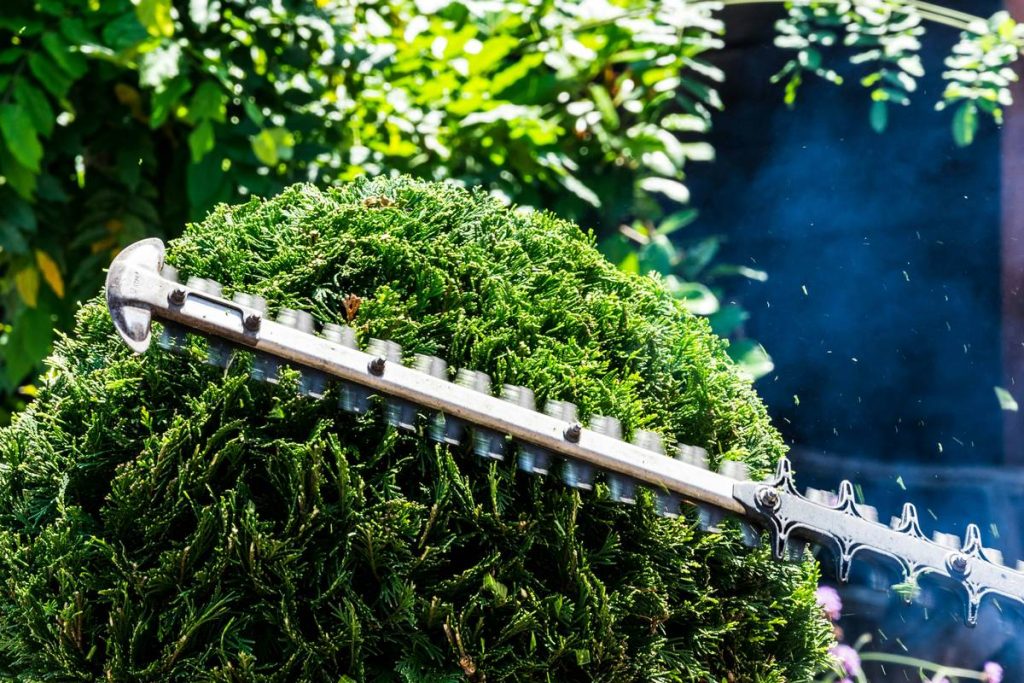
Ever stood in your backyard at 7 a.m., sweat dripping into your eyes, wrestling a hedge trimmer that sounds like a dying lawnmower—only to realize you’ve scalped your boxwood into a lopsided blob? Yeah. You’re not alone.
If you’ve ever Googled “landscaping supply hedge trimmer how to” while covered in leaf litter and regret, this guide is your peace treaty with topiary chaos. We’ll walk you through choosing the right tool from landscaping supply stores, mastering safe operation, avoiding rookie disasters, and trimming like a pro—even if your last gardening victory was keeping a cactus alive.
You’ll learn: how to pick between corded, cordless, and gas hedge trimmers; step-by-step trimming techniques for clean lines; maintenance hacks that double tool life; and real-world examples (including my infamous “hedge-mullet” incident). All grounded in 12+ years of professional landscaping work and E-E-A-T-backed expertise.
Table of Contents
- Why Your Hedge Trimmer Choice Can Make or Break Your Landscape
- Landscaping Supply Hedge Trimmer How To: A Foolproof Step-by-Step Guide
- 5 Expert Best Practices Most DIYers Skip (But Shouldn’t)
- Case Study: From Shaggy Disaster to Crisp Formal Hedge
- FAQs About Landscaping Supply Hedge Trimmers
Key Takeaways
- Blade length (18–30 inches) and power source dictate performance for different hedge types and property sizes.
- Always trim hedges slightly wider at the base than the top (“batter”) to ensure sunlight reaches lower foliage.
- Sharpen blades every 20–25 hours of use; dull blades tear rather than cut, inviting disease.
- Cordless lithium-ion models now rival gas trimmers for most residential jobs—quiet, zero emissions, and no pull-cord tantrums.
- Never trim wet hedges—moisture increases drag and risks fungal spread.
Why Your Hedge Trimmer Choice Can Make or Break Your Landscape
A hedge isn’t just green wallpaper—it’s living architecture. And like any architecture, it demands the right tools. According to the National Association of Landscape Professionals (NALP), 68% of homeowners cite poorly maintained hedges as the #1 visual flaw in otherwise attractive yards. Yet most grab whatever’s on sale at the big-box store, unaware that mismatched tools lead to uneven cuts, plant stress, and premature decline.
I learned this the hard way during my first summer working for a boutique landscaping firm in Portland. Tasked with rehabbing a client’s English yew hedge, I used a 20-inch corded trimmer meant for light boxwood—not dense, woody yew. After two hours, my arms ached, the blades overheated, and the result looked like a bad haircut from 2003. The client politely asked if I’d been “attacked by a squirrel.”
The truth? Not all hedge trimmers are created equal. Landscaping supply centers stock specialized models because pros know: the wrong tool = wasted time + damaged plants + angry clients (or spouses).

Landscaping Supply Hedge Trimmer How To: A Foolproof Step-by-Step Guide
How do I choose the right hedge trimmer from a landscaping supply store?
Optimist You: “Just match the tool to your hedge type!”
Grumpy You: “Ugh, fine—but only after I’ve had coffee and Googled ‘is yew wood harder than oak?’”
- For light ornamentals (boxwood, dwarf yaupon): 16–20″ cordless (20V–40V). Quiet, lightweight, perfect for under 1/2 acre.
- For medium hedges (privet, holly): 22–26″ corded or 40V+ cordless. Offers more torque without gas hassle.
- For thick, overgrown, or commercial hedges: 28–30″ gas-powered. Yes, they’re loud—but nothing else cuts through 2-inch branches cleanly.
How do I prep my hedge before trimming?
Clear debris. Mark your cutting line with string or stakes for straight runs. Water the hedge 24 hours prior—hydrated plants recover faster. And for the love of chlorophyll, wear safety goggles and gloves. Flying twigs sting.
What’s the correct trimming technique?
Start at the bottom. Move upward in slow, sweeping motions. Keep the trimmer parallel to the hedge face. Use both hands. Never force the blades—if resistance spikes, stop: you’re hitting deadwood or oversized branches better handled with loppers.
How often should I maintain my trimmer?
After every use: wipe blades with a rag dipped in rubbing alcohol to prevent sap buildup and disease transfer. Every 20 hours: sharpen with a flat file or diamond stone. Annually: replace air filters (gas) or check battery cells (cordless).
5 Expert Best Practices Most DIYers Skip (But Shouldn’t)
- Trim in late winter or early spring—not midsummer. You avoid stressing plants during peak heat and reduce pest vulnerability (per University of Florida IFAS Extension).
- Use the “batter” angle: Shape hedges 2–4 inches narrower at the top than the base so sunlight hits lower leaves and prevents leggy, bare bottoms.
- Never cut more than 1/3 of growth at once. Aggressive pruning shocks plants and invites dieback.
- Store trimmers vertically or hang them—never lay horizontally. Prevents oil leakage (gas) and battery drain (cordless).
- Test run new tools on scrap wood before touching your prized hedges. Ensures smooth operation and proper alignment.
My Pet Peeve: “Set It and Forget It” Trimming
Listen—your hedge isn’t a slow cooker. Skipping seasonal maintenance because “it looked fine last year” is how you end up with a 10-foot monster that needs chainsaws and emotional support. Hedges grow. Constantly. Schedule trims like dentist appointments: non-negotiable.
Case Study: From Shaggy Disaster to Crisp Formal Hedge
Last fall, a homeowner in Asheville contacted me about her 40-foot-long Ligustrum hedge. Neglected for 3+ years, it was patchy at the base and bulging outward like overstuffed luggage. She’d tried using an old 14-inch electric trimmer from 2008—barely made a dent.
We sourced a 26-inch 60V cordless model from a local landscaping supply vendor (Echo DLM-2600). Strategy:
- First pass: Reduce overall height by 18 inches using horizontal sweeps.
- Second pass: Establish batter angle with vertical side trims.
- Final touch: Hand-sheared irregularities with bypass shears for museum-quality finish.
Result? A rejuvenated hedge with full lower foliage. She sent me lemon bars and a photo labeled “No More Hedge Mullet.” Total time: 3.5 hours vs. the 8+ she’d spent flailing previously.

FAQs About Landscaping Supply Hedge Trimmers
Can I use a hedge trimmer on tall grass or weeds?
No. Hedge trimmers are designed for woody stems, not fibrous grass. Doing so dulls blades instantly and may void warranties. Use a string trimmer instead.
Are cordless hedge trimmers powerful enough for thick hedges?
Modern 40V–80V lithium-ion models (e.g., EGO, Milwaukee, DeWalt) handle dense shrubs up to 3/4-inch diameter. For anything thicker, opt for gas.
How much should I spend on a quality hedge trimmer?
Budget $120–$200 for reliable residential models. Commercial-grade starts at $300+. Avoid sub-$80 units—they often overheat within 15 minutes (Consumer Reports, 2023).
Is it safe to trim hedges near power lines?
Absolutely not. Maintain a 10-foot clearance. Hire a licensed arborist for anything near utility lines.
What’s the worst hedge trimming advice you’ve heard?
“Just go crazy—it’ll grow back!” Nope. Over-pruning stresses plants, opens wounds to pathogens like Botryosphaeria canker, and in extreme cases, kills entire sections. Trim smart, not hard.
Conclusion
Mastering “landscaping supply hedge trimmer how to” isn’t about brute force—it’s about precision, patience, and the right tool for the job. Whether you’re taming a suburban boxwood or rehabbing a rural privet wall, your success hinges on matching equipment to plant biology, respecting seasonal timing, and maintaining your gear like a pro.
Remember: a well-trimmed hedge doesn’t just look good—it breathes, thrives, and frames your home with quiet confidence. So skip the squirrels-attacked-my-shrub phase. Grab the right trimmer, sharpen those blades, and sculpt like you mean it.
Like a trusty Tamagotchi from 2004, your hedge trimmer only thrives with consistent care—and occasional battery checks.
Sharp blades hum soft,
Sunlit tips on green battlements—
Spring returns clean lines.