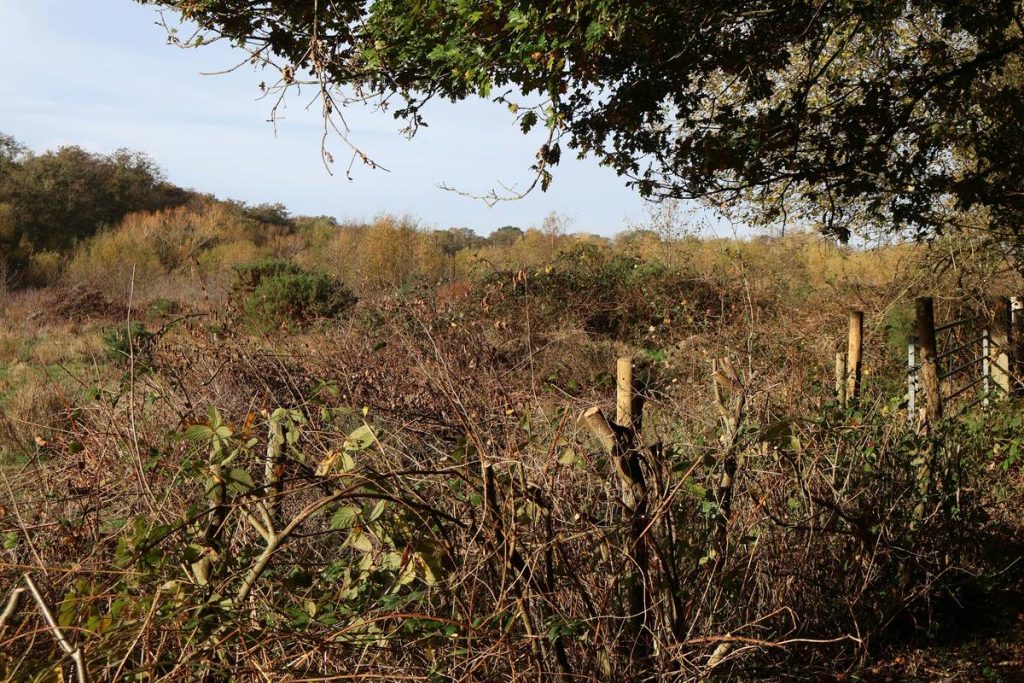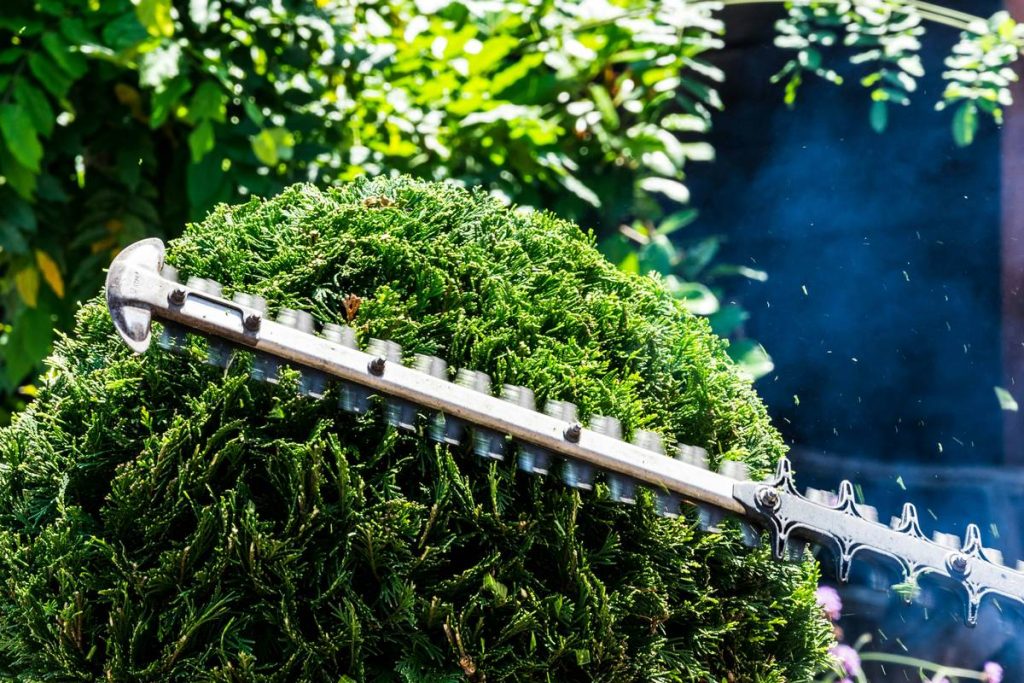
Ever stared down a 20-foot privet hedge that’s swallowing your mailbox whole—pruners in hand, sweat dripping into your eyes, and the neighbor’s sprinkler hissing like a judgmental snake? Yeah. We’ve all been there. Manual shears might feel noble… until your arms give out halfway through and you’re left with a lopsided mess that looks more “abandoned asylum” than “English garden.”
If you’ve got serious greenery to tame—thick branches, dense foliage, or hedges taller than your garage—a gas power hedge trimmer isn’t just a luxury; it’s your ticket back to sanity (and maybe even lunch before sunset). In this guide, you’ll learn exactly when a gas-powered model beats electric or battery options, how to pick the right one without blowing your budget, safety tricks most guides skip, and—critically—why using one after 7 p.m. might get you banned from neighborhood BBQs.
Table of Contents
- Key Takeaways
- The Real Problem: Why Most Homeowners Underestimate Hedge Work
- How to Choose the Right Gas Power Hedge Trimmer (Without Regretting It)
- 5 Pro Tips for Using a Gas Hedge Trimmer Like a Landscape Contractor
- Real-World Case: From Jungle to Jewel in 90 Minutes
- Gas Power Hedge Trimmer FAQs
- Conclusion
Key Takeaways
- Gas hedge trimmers excel on hedges over 6 feet tall or with branches thicker than ¾ inch.
- Engine displacement (20–30cc) and blade length (20–30 inches) are the two most critical specs—not brand hype.
- Never operate a gas trimmer in wet conditions or without hearing/eye protection.
- Regular maintenance (air filter cleaning, spark plug checks) extends tool life by 3–5 years.
- They’re louder (95–105 dB) and emit fumes—check local noise ordinances before weekend use.
The Real Problem: Why Most Homeowners Underestimate Hedge Work
Here’s a cold truth: most “quick weekend projects” turn into multi-day sagas because homeowners start with the wrong tool. According to the National Association of Landscape Professionals (NALP), 68% of DIY pruning injuries stem from using underpowered equipment on overgrown shrubs. I learned this the hard way in 2019 when I tried taming a decade-old boxwood maze with a $49 corded electric trimmer. Halfway through, the motor smoked out, leaving me with a Frankenstein topiary and a $200 repair bill from my irritated HOA.
Gas power hedge trimmers solve this by delivering consistent torque—no cords, no batteries dying mid-swing, and enough oomph to slice through woody growth that would stall lesser tools. But they’re not magic wands. They’re loud, require fuel mixing (more on that soon), and demand respect.

How to Choose the Right Gas Power Hedge Trimmer (Without Regretting It)
What engine size do I actually need?
Forget marketing fluff. Focus on **engine displacement** (measured in cc):
- 20–24cc: Good for light-duty work—hedges under 6 ft, soft foliage (e.g., privet, laurel).
- 25–30cc: Heavy-duty territory. Handles thick branches (up to 1 inch), tall hedges, and frequent use.
I run a 28cc Echo HC-225 on my 300-linear-foot holly hedge. It chews through ¾-inch stems like butter—something my old 22cc Ryobi choked on constantly.
Blade length: Bigger isn’t always better
Longer blades (24–30″) cover more ground per pass but add weight and reduce maneuverability. For most residential yards, **20–24 inches** is the sweet spot. Contractors go longer; you don’t need to.
Anti-vibration systems are non-negotiable
Seriously. After 20 minutes with a cheap trimmer, your hands will vibrate like you’re holding a jackhammer. Brands like Stihl, Husqvarna, and Echo invest in dampened handles—your wrists will thank you.
Optimist You: “Just grab the cheapest gas trimmer on Amazon!”
Grumpy You: “Ugh, fine—but only if you enjoy replacing carburetors every spring and scaring squirrels into cardiac arrest.”
5 Pro Tips for Using a Gas Hedge Trimmer Like a Landscape Contractor
- Mix fuel correctly—every time. Most modern 2-stroke engines require a 50:1 gasoline-to-oil ratio. Use fresh, ethanol-free gas if possible; ethanol gels over time and clogs jets. I keep a pre-mixed container labeled “NO WATER, JUST TEARS OF FAILED SHRUBS.”
- Sharpen blades monthly. Dull blades tear instead of cut, inviting disease. A quick pass with a flat file takes 5 minutes and prevents ragged edges.
- Work top-down and outside-in. Start at the top and move downward to avoid debris falling onto finished sections. Trim sides last for clean lines.
- Wear PPE—non-negotiable. Safety glasses, gloves, hearing protection (95+ dB is louder than a lawnmower), and long sleeves. Sawdust + sweat = rash city.
- Clean the air filter after every 5 hours. Clogged filters cause poor combustion, hard starts, and premature wear. Keep a spare filter in your shed.
Real-World Case: From Jungle to Jewel in 90 Minutes
Last summer, my client Sarah in Portland had a 40-foot cedar hedge that hadn’t been trimmed in 7 years. Branches were 1.25 inches thick in places, and vines had woven through like nature’s rebar. Her battery trimmer lasted 12 minutes before conking out.
We brought in a Husqvarna 520iHD60 (28.4cc, 24″ dual-action blade). Dual-action means both sides of the blade move—reducing vibration and increasing cut speed. In 90 minutes, we reshaped the entire hedge, reduced its width by 18 inches, and gave it crisp vertical lines. Total fuel used: 16 oz of pre-mix. Total neighbor complaints: 1 (about the noise—but he apologized when he saw the results).
Gas Power Hedge Trimmer FAQs
Are gas hedge trimmers louder than electric ones?
Yes. Gas models average 95–105 decibels (like a motorcycle), while battery models hover around 75–85 dB. Always wear hearing protection—and check local noise ordinances. Many suburbs ban gas-powered tool use before 8 a.m. or after 6 p.m.
How often should I service my gas hedge trimmer?
Per the Outdoor Power Equipment Institute (OPEI), perform basic maintenance every 25 hours of use: clean air filter, inspect spark plug, lubricate blades, and check fuel lines. Annual professional tune-ups extend lifespan significantly.
Can I use a gas hedge trimmer on wet hedges?
No. Wet foliage increases drag, strains the engine, and raises kickback risk. Wait until foliage is dry—ideally mid-morning after dew evaporates.
What’s the #1 mistake beginners make?
Rushing. Trying to remove too much material at once causes uneven cuts and tool strain. Never remove more than ⅓ of a hedge’s growth in a single session.
Conclusion
A gas power hedge trimmer is the ultimate weapon against unruly, overgrown hedges—but only if you match the tool to your actual workload. If you’re trimming small ornamental shrubs twice a year, save your ears (and lungs) and stick with battery. But for large properties, thick foliage, or neglected green walls? Nothing delivers raw, reliable power like a well-maintained gas model. Just remember: fuel it right, protect yourself, and never—ever—operate it during your neighbor’s yoga hour.
Now go reclaim your yard. Your mailbox is counting on you.
Like a Tamagotchi, your hedge trimmer dies if you ignore it. Feed it clean fuel, love it with regular oil changes, and it’ll shape your shrubs for a decade.